Anthracite Project
Anthracite Project
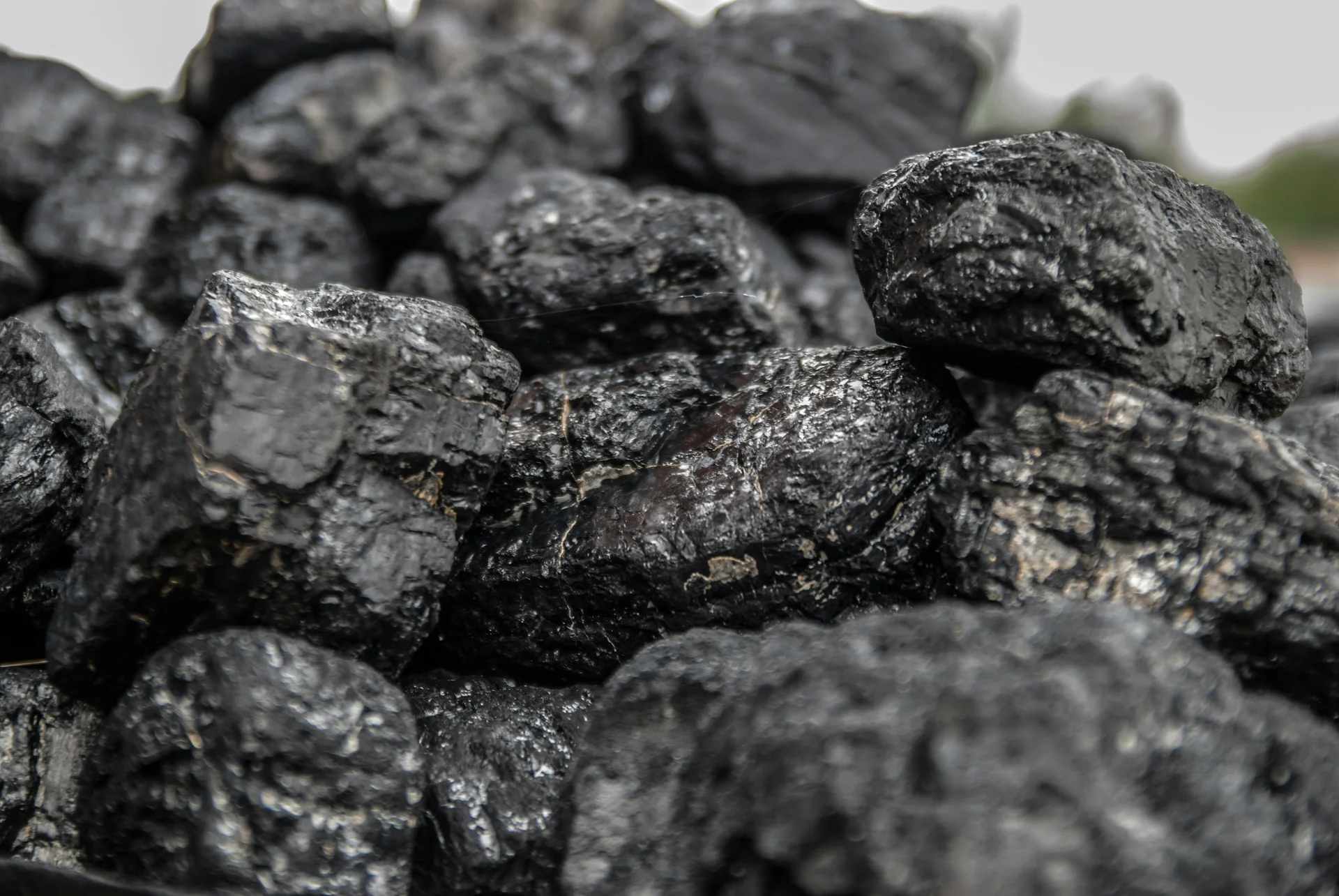
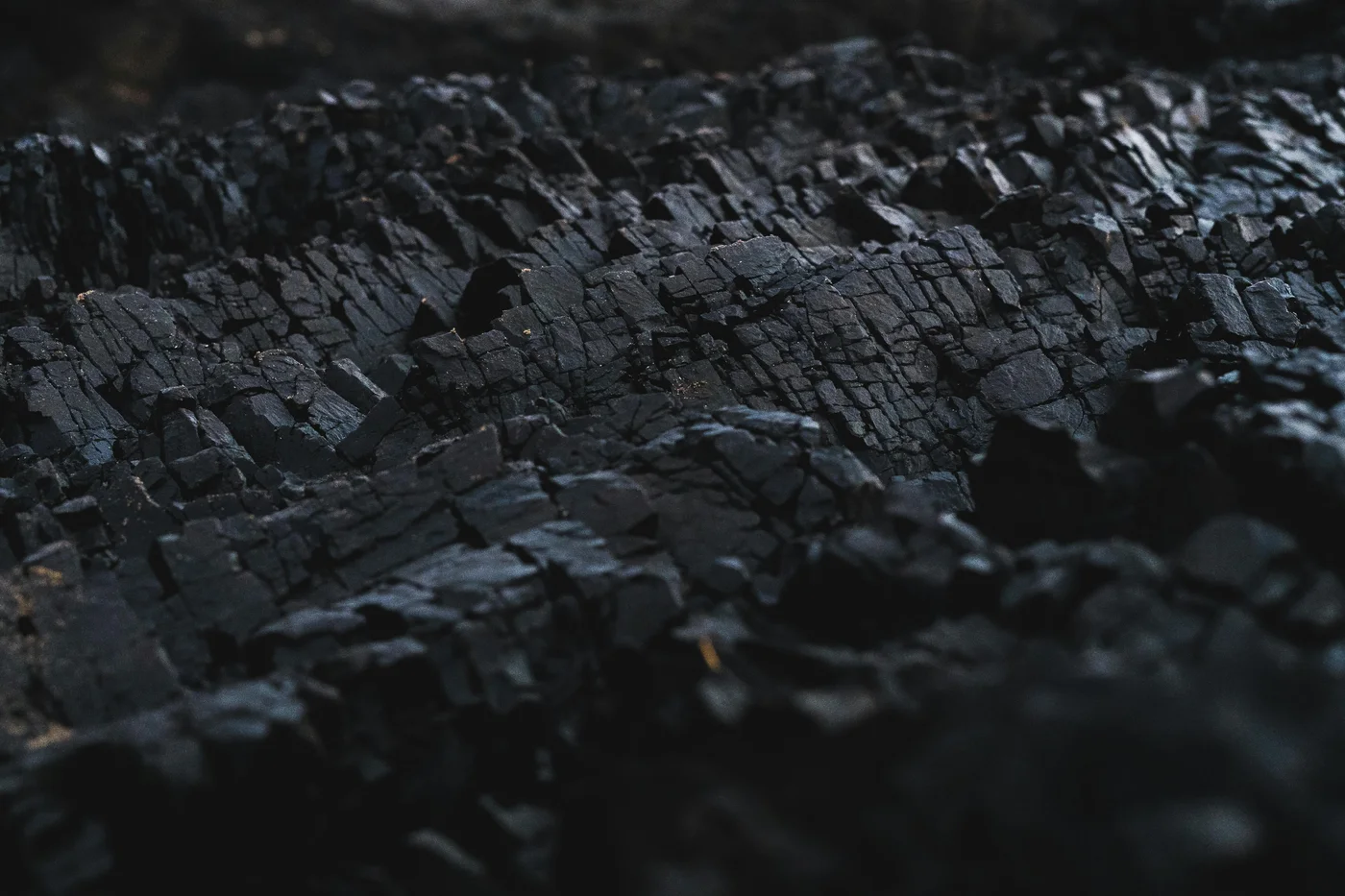
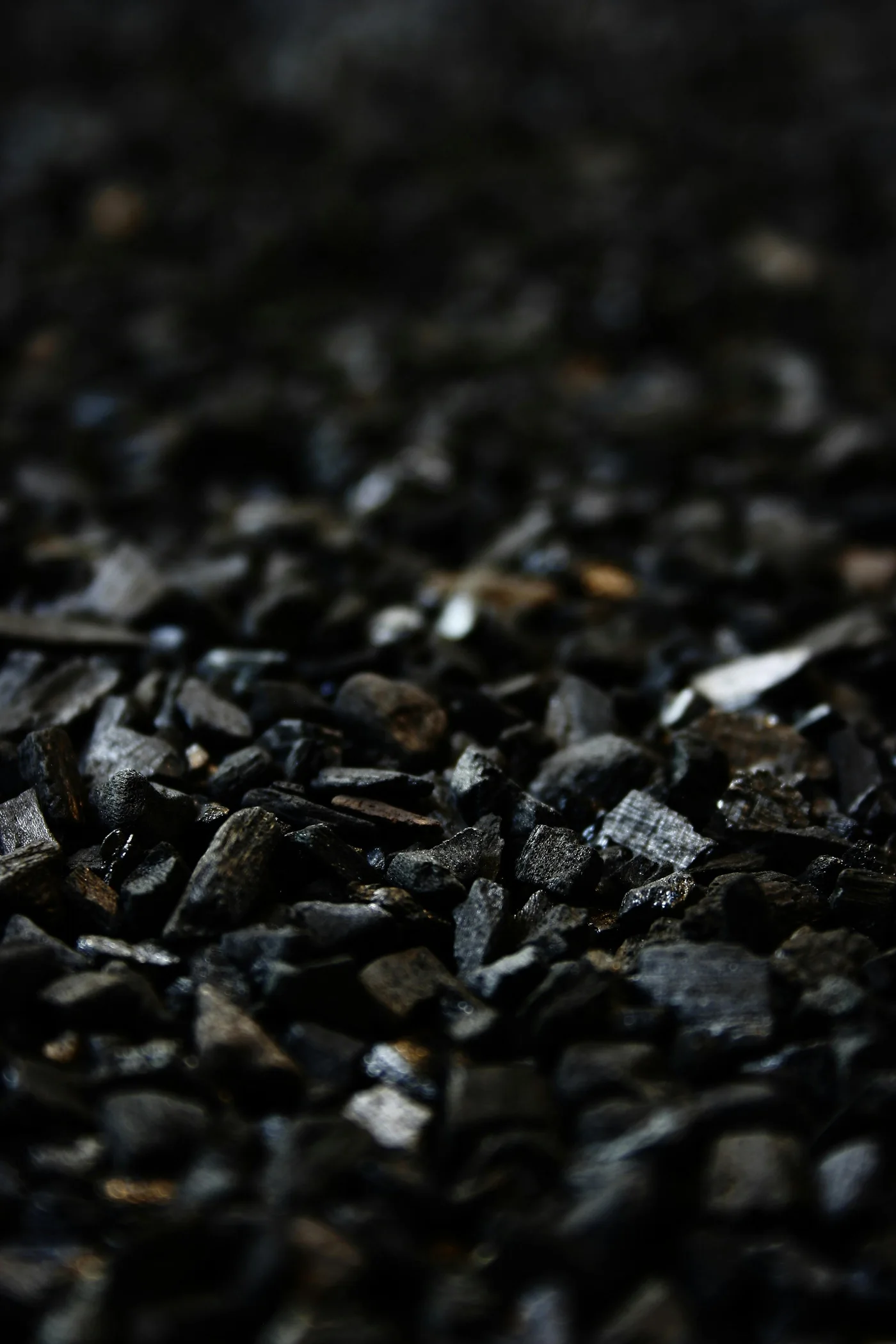
Anthracite (hard & black coal) is a hard, compact variety of coal with a submetallic luster. It has the highest carbon content, fewest impurities, and highest energy density of all coal types, making it the highest-ranking form of coal.
Anthracite is the most metamorphosed type of coal, though it still represents low-grade metamorphism, with a carbon content between 86% and 97%. This term refers to coal varieties that do not release tarry or hydrocarbon vapors when heated below their ignition point. Anthracite is difficult to ignite and burns with a short, blue, smokeless flame.
Anthracite coal is used in various industrial processes, primarily for its high heat output and clean burning. Key uses include steel production, water filtration systems, and it plays a role in glass and brick manufacturing, metalworking, and food processing.
Anthracite is classified into several grades:
High-grade (HG) and ultra-high-grade (UHG) – used mainly in the metallurgical industry.
Standard grade – used primarily in power generation.
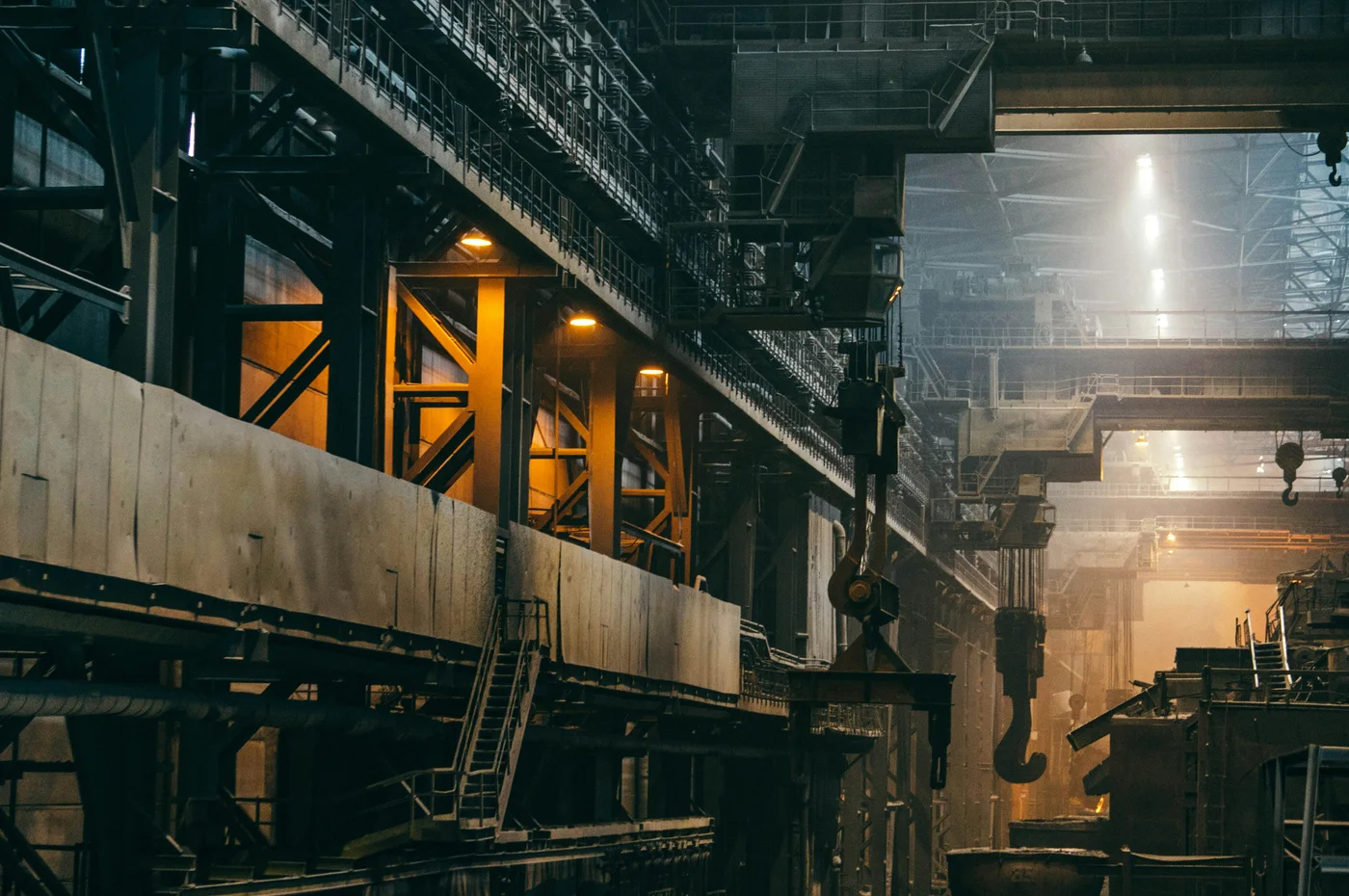
Iron and Steel Manufacture
The iron and steel industry are the primary market for anthracite, where it is mainly used as a reducing agent.
Its main applications are:
In Electric Arc Furnaces (EAF): due to its low cost per pound of fixed carbon and low sulphur content, anthracite is used both as a reducing agent and as part of the charge material.
In Pulverized Coal Injection (PCI): anthracite is the most popular choice of injection carbon due to its low sulphur content.
In Basic Oxygen Steelmaking (BOF): replacing small amounts of met coke with anthracite as a reducing agent.
Anthracite accounts for about 1% of global coal reserves, and is mined in only a few countries around the world. The Anthracite Coal Mining Market was valued at USD 65 billion in 2024 and is expected to grow to USD 94 billion by 2032, with a CAGR of 4.5% during the forecast period (2025–2032).
Peru is a significant producer and exporter of anthracite. While not the world’s largest producer, Peru’s reserves, particularly in the northern regions, are substantial and crucial for both domestic energy needs and international markets.
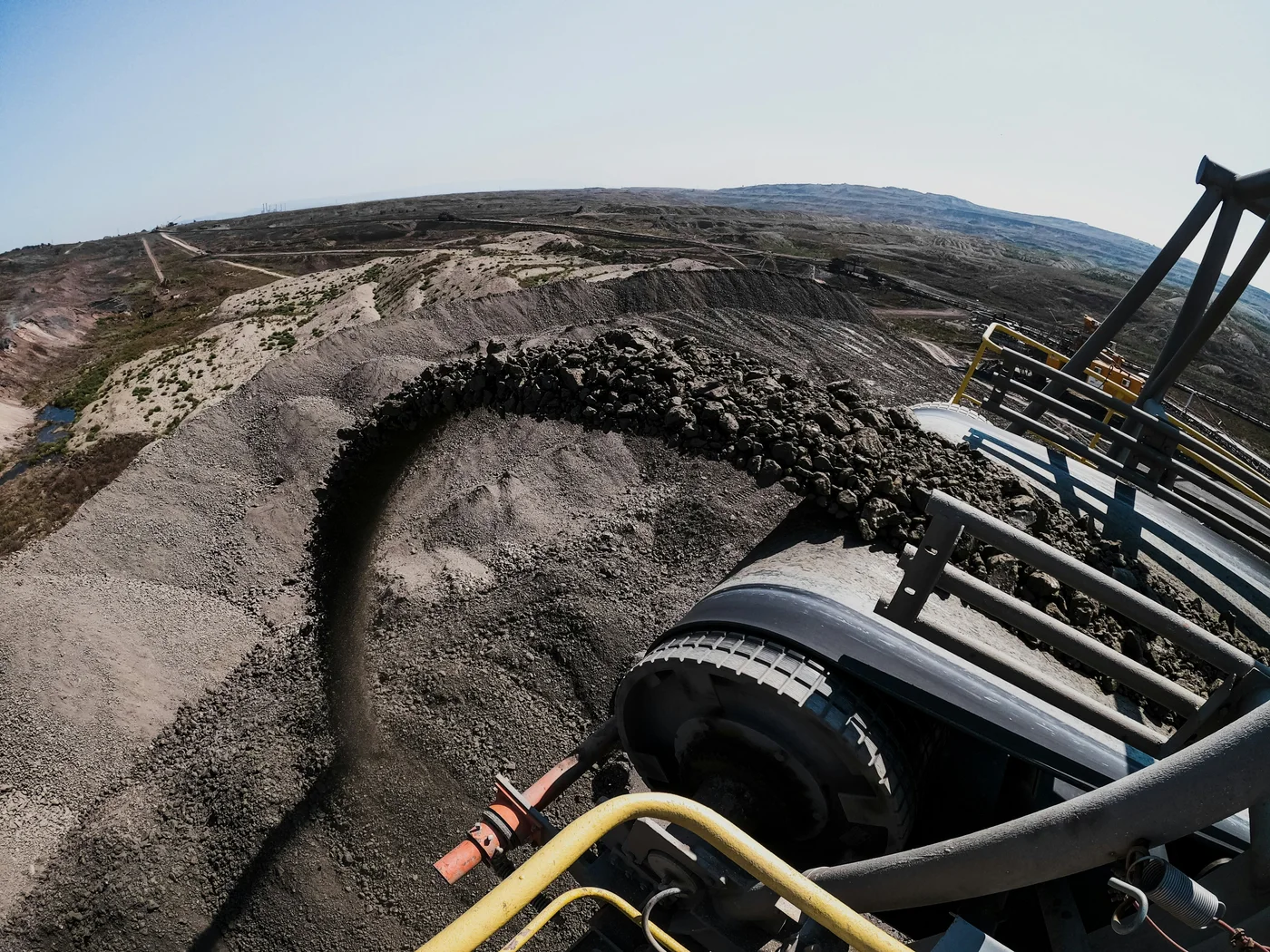
Peru has a notable anthracite mining industry, with the Salaverry Port playing a crucial role in exporting this high-grade coal. Anthracite is a major export commodity for Peru, particularly from the La Libertad and Ancash regions. Infrastructure at the port is being upgraded to increase storage capacity and meet growing global demand.
Peru’s anthracite resources are significant, particularly in the north, and the country is a major exporter of this high-quality coal, contributing to global markets and meeting diverse industrial needs.
Key aspects of anthracite in Peru
Location
01The most extensive and potentially productive anthracite field is located in northern Peru. Specific areas include the La Libertad, Ancash, Alto Chicama and Cuenca Santa, where anthracite is a major export product.
Importance
02Anthracite is a key export product for Peru, with Salaverry Port playing a vital role in its export logistics.
Usage
03Anthracite is used for various applications, including metallurgy, industrial processes, and water filtration.
Exports
04Peru’s anthracite exports are growing, with projections indicating a significant increase.
Industry
05Peru’s anthracite industry is supported by infrastructure, including port expansions and storage facilities to improve handling and logistics.
Demand
06Global demand for anthracite is growing, and Peru is well-positioned to capitalize on this trend as an exporter.
Quality
07Peruvian anthracite is of good quality, making it suitable for various applications.
Other Coal Types
08While anthracite is the focus, Peru also has other types of coal, including bituminous coal.
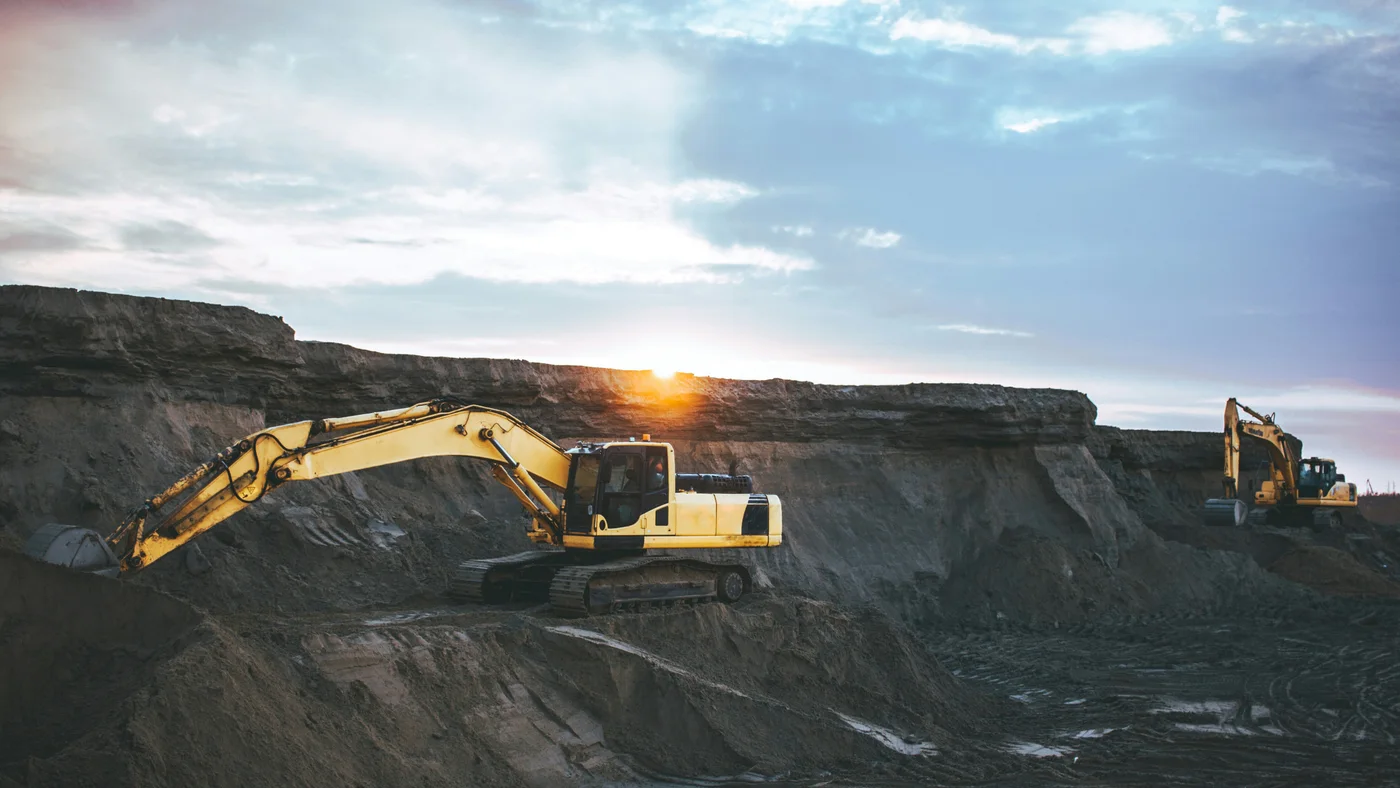
Leading Peru's Anthracite Excellence
CARBONIA Industries SAC is Peru's premier anthracite mining and export company, dedicated to ESG excellence and sustainable operations that power global industry.